
Nobody remembers the thank-yous

Georgie Russell
Director
Want to give a memorable business awards speech? Stop thanking everyone, says Bladonmore Director, Georgie Russell.
Business awards are designed to dazzle.
Guests are promised an evening of celebration and entertainment. A chance to recognize great work and hear from people at the top of their game.
And yet, so often, they fail to deliver.
The problem isn’t the awards themselves. Winning one is meaningful. It can transform careers, boost businesses and provide that coveted LinkedIn post of an entire team triumphantly brandishing a piece of silverware.
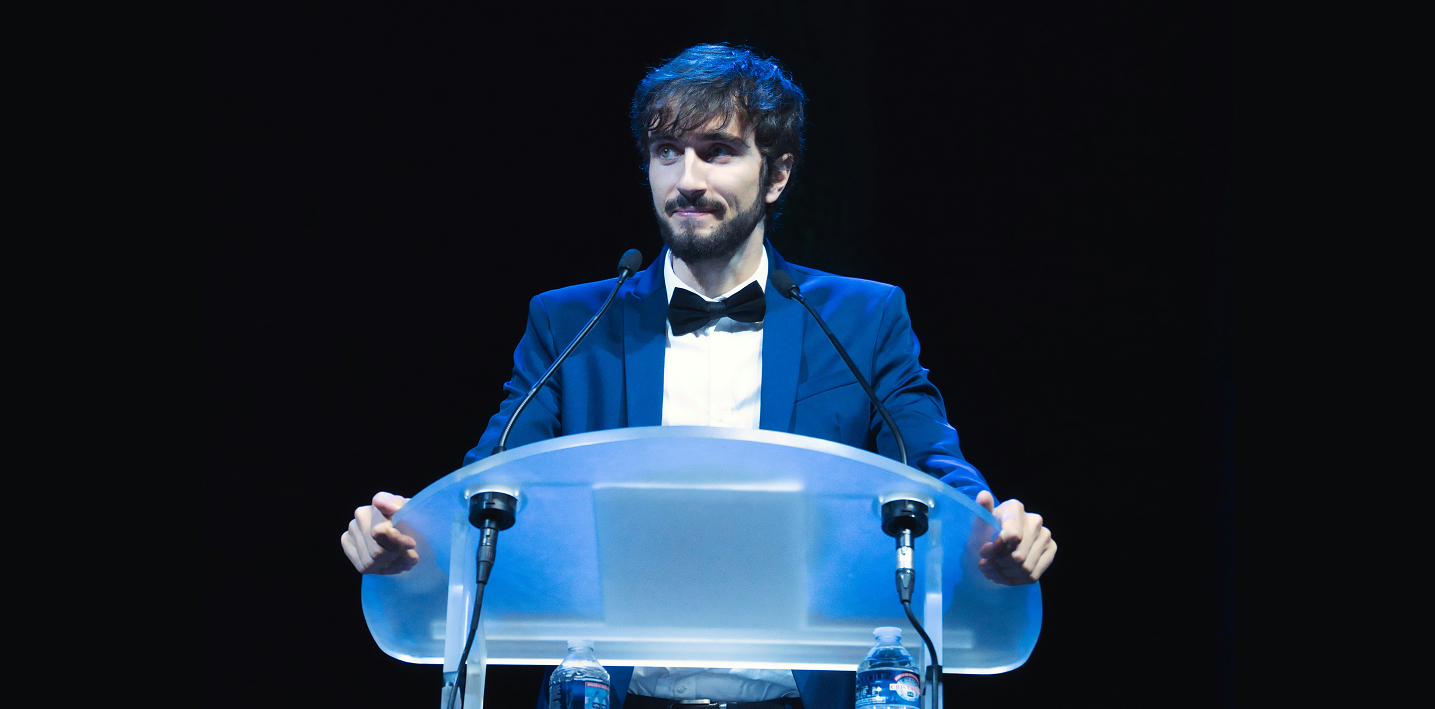
The problem is what should be one of the best bits of the evening: the acceptance speech.
Resist the list
Too many are painfully predictable.
Winner walks onto the stage. Thanks the judges. Thanks the organizers. Thanks the client. Thanks the team. Thanks the partner. Thanks the dog. Eventually sits down.
Meanwhile, everyone else is wondering how many speeches remain before they can escape the overheated ballroom and loosen their black tie.
What a waste of an opportunity!
You’ve been given a platform to make an impression on a room full of industry peers, and you opt for a mind-numbingly boring list.
It may feel natural to thank everyone who helped you win that award. But in truth, those thank-yous rarely land in a room full of strangers. The people who really deserve your gratitude will value hearing it personally far more than hearing their name read out to 500 people who have never met them.
Tell a story
Be bold. Do something different. Tell a story.
Stories do something lists never can. They make people feel.
Rather than saying your team worked incredibly hard, tell us about the 3 a.m. pizza run you were sent on to keep everyone going through the night, and how you all had to have Hawaiians because that was all that was on offer – even Ted, who never eats fruit.
Or instead of saying your designers were brilliantly creative, take us back to the brainstorming session fuelled almost entirely by Haribo, where someone suggested an idea so gloriously ridiculous that it somehow unlocked the one that eventually won.
Or perhaps there’s one colleague you really want to celebrate. Brilliant. But don’t just tell us they’re supportive or inspiring. Bring them to life through a moment that captures exactly why.
When the actress Jessie Buckley received her Golden Globe for her role in Hamnet, she didn’t simply say the crew had created a wonderful atmosphere. She told us about Tomasz, who started to disappear at times, only to be found at the back of his truck, chopping up potatoes, onions and meat for soup, which he went on to serve to the cast in a large cast-iron pot that he’d brought over from Poland. Jessie closed with, ‘It was delicious. Thanks for bringing your pot to set.’
In a few seconds, she painted a vivid picture of generosity, kindness and camaraderie. You remember the soup. You remember the feeling. That’s what stories do.
Do more with less
The secret is to be bold about leaving things out.
Trust that one vivid anecdote will say far more than a comprehensive list of thank-yous ever could.
And be generous.
You’ve probably won because you’re exceptionally good at what you do. You’ve learned something. You’ve solved difficult problems. You’ve built expertise that everyone else in that room would love to have.
Share a little of it.
Offer one insight. One lesson. One observation that people can take away. Audiences don’t just want to celebrate winners; they also want to learn from them.
In practice, this means resisting the temptation to wing it on the day and making sure you set aside time to prepare.
The very best speakers are time-poor too. They’re also more than capable of improvising. But they don’t.
They think about their audience. They decide one thing they want people to remember. Then they craft a few minutes around that.
Nobody remembers the person who thanked 27 people. They remember the one who told a great story.
If you’re preparing for a high-stakes speech or event and would like support shaping what you want your audience to remember, get in touch.
Share article