Human, not corporate

Natalie Powell
Coach
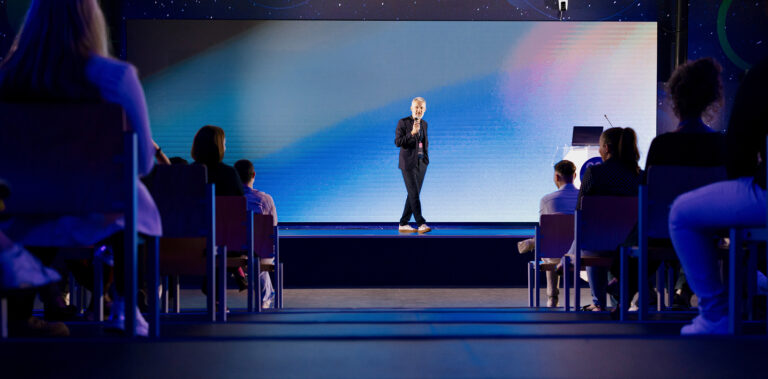
Natalie Powell, Coach at Bladonmore, explains why good presenters don’t try too hard to sound professional.
How many times have you heard the advice ‘just be yourself’?
In corporate communications, that advice is more relevant today than ever. AI is an important part of our everyday toolkit, but audiences still crave human connection and they’re being turned off by communication that feels too artificial.
Human beats polished
In our presentation coaching sessions at Bladonmore, we have always talked about the importance of presenting with a good mix of IQ and EQ, in other words: professionalism and personality. Too often, the emotional intelligence side of things takes a back seat because we’re too focused on appearing knowledgeable, professional, and experienced. But good communication is about connection. The best communicators are human, seem natural, and know exactly how to make their audiences care about what they say.
Sounding too much like a corporate AI-bot is not going to cut it. Without the IQ/EQ blend, what audiences hear becomes one-dimensional and lacks credibility. Audiences can tell straight away when someone isn’t being authentic. Barriers go up and trust evaporates.
Lessons from journalism
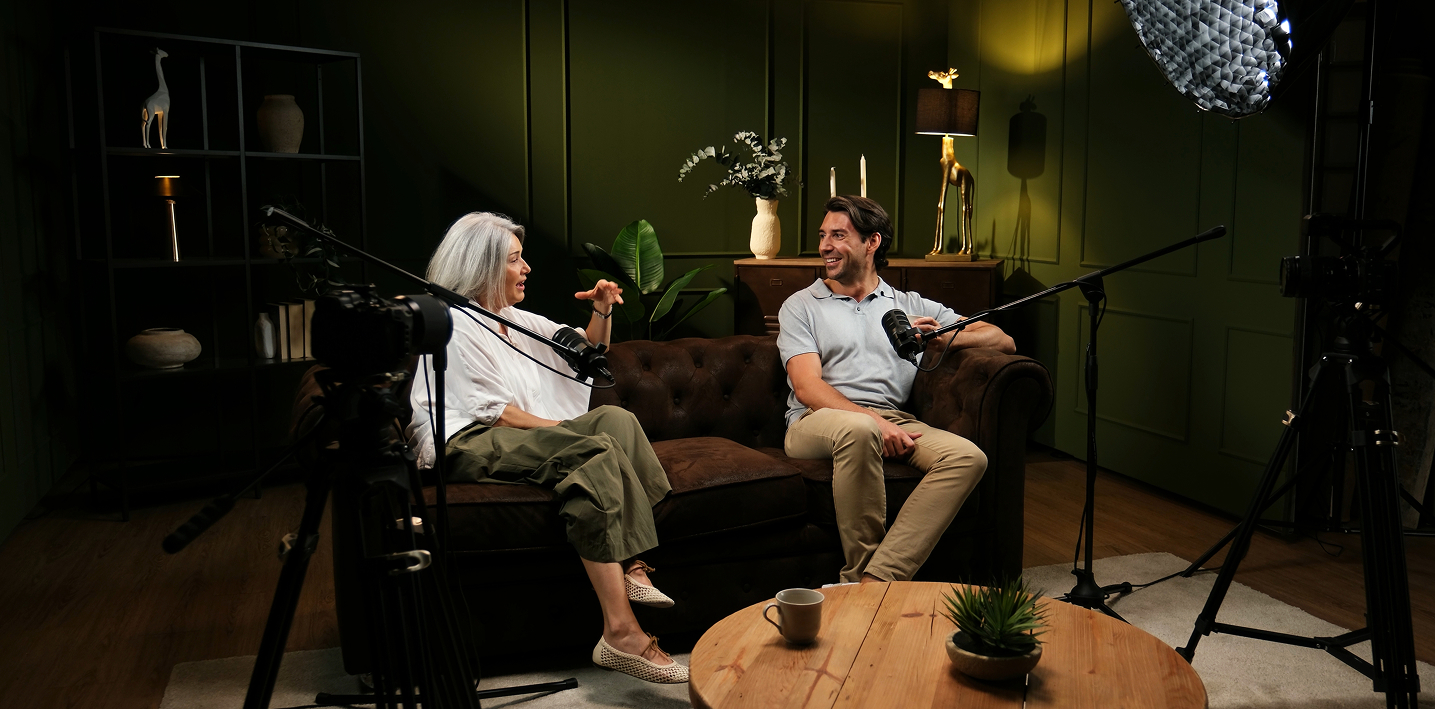
In my former career I was an on-air news reporter. I recently sat down with an ex-colleague and over a coffee we laughed and cringed at the ‘news voices’ we used to put on whenever broadcasting live or voicing a report. Why did we do it? Well, we felt it was the ‘done thing’, that it gave us authority, credibility. Today, I would do it very differently.
Back then, there was something very manufactured about news reporting too: lapel microphones and earpieces had to disappear, with every wire hidden. The illusion was that broadcasting was effortless. Now, that facade has dropped and we’re seeing news reporters do things that would have been an absolute no-no in the past – wearing AirPods or holding a tiny microphone with a furry cover in their hands. The result? Audiences feel closer to the story, it makes it real and (here’s that word again) authentic. I think it’s a positive change.
Three ways to sound more human
So how can we translate this to our corporate presentations and communications? How can we get them to feel real and human, so audiences engage and feel closer to the story?
- Be conversational
Less corporate and more conversational will help people engage. The audience will feel like you’re talking with them, not at them. No one wants to feel lectured. Strip out unnecessary jargon too – it risks alienating people who don’t share the same internal language. - Bring in personal insights
They make messages more relatable and more memorable. They show you’re not just repeating generic information but bringing your own judgment and experience to the conversation. But avoid over-sharing for personal gain – life events like getting married should not be turned into analogies for a B2B strategy. There has been serious backlash against this online with things like the LinkedIn Lunatics subreddit – you do not want to find yourself here. And your personal insights will only build trust if they’re genuine. - Be specific
Specific examples, evidence and details build credibility. Broad statements are easy to make and easy to ignore. Concrete examples help audiences to understand, believe and remember what you’re saying.
If you’d like to explore how presentation coaching can help your leaders communicate with more confidence and authenticity, get in touch
Share article