Three A’s behind great client films

Nick McAlpine
Director, Film
After three decades as a professional filmmaker, Bladonmore’s Head of Film, Nick McAlpine, reflects on the fundamentals of how we create impactful films for our clients – and what to think about when starting a new project.
A couple of months ago, Bladonmore’s film team had to create a snapshot of what I can only term our vital statistics. With the numbers duly crunched, we discovered that over the last 23 years we’ve made more than 2,000 films, shot in 47 countries and 21 US states, and been honored with more than 30 awards. I’m reliably informed that the library of footage that we hold for clients – many of them current – totals more than a petabyte of digital data (that’s a million gigabytes – yes, I had to look it up, too).
The exercise set me thinking: within that petabyte, what themes characterize the way we make films for our clients? To me, it’s captured in three words, all beginning with the letter A. Together, these words are a useful lens through which to look at any new film production project.
Ambition
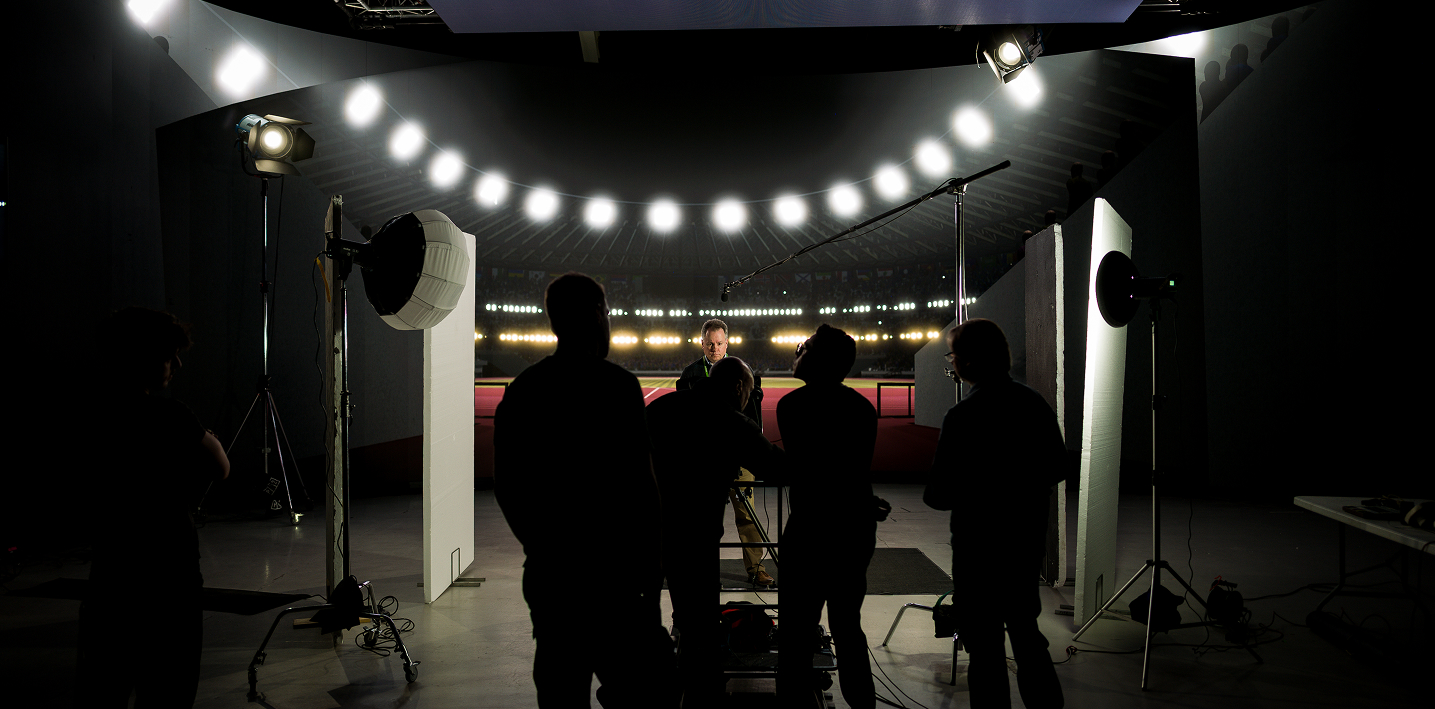
Ambition is alive and well in the films clients are asking us to produce. And why wouldn’t it be: budgets and time are often limiting factors, but when 20 million videos are being uploaded daily to YouTube alone, that’s a lot of noise to shout above. That’s where ambition comes in to produce a film that’s distinctive and eye-catching. For example, a recent project started life as a request to film an interview explaining a complex form of investing. But with a little constructive challenge and creativity, ambition kicked in and the eventual film was shot in the latest virtual studio. It brought to life a simple yet powerful visual metaphor that landed the concept in seconds. It’s picking up views nicely on YouTube, too.
Anthologies
Most of our projects these days consist of more than one film. In fact, our average is around four or five films commissioned together. That’s not just content for live events; it’s clients telling a series of related stories or exploring a theme – anthology-style – across multiple films.
This serial, episodic approach cements engagement – after all, isn’t that how the majority of us consume TV content at home? We even have one client who’s come back for what we’re all calling ‘Season Two’ and it really is that: a collection of new, connected stories exploring big themes. Plus, within the corporate communications world, creating multiple films or series is a production strategy with social media potential baked in.
Authenticity
Spend even a few minutes with any major TV, podcast or online news and current affairs service and you’ll quickly be presented with their ‘authenticity credentials’, promo style. But rather than being a badge we have to display, channeling authenticity often helps us to make the best films for a client.
For example, it’s a given that the content has to be accurate, but what does authenticity mean for the voices and visuals that make up the film? More than a decade ago, we made a film for a CEO who, with dramatic flourish, tore up the script written for all his senior partners and announced: “Let’s get some of the youngest people in the firm on camera” – and he was right. The film we ended up making had an energy and sincerity that the original could never have achieved and, again, in his words: “These are the people who really are running the firm.”
In visual terms, going the extra, sometimes very many, miles to get that genuine but tough-to-obtain shot of the actual asset of a business is its own form of authenticity. Once you have it and it’s safely logged, indexed and stored in our thousand-terabyte (you know it, now!) library, I can guarantee that you will use it over and over again: authenticity delivering value for money.
…and AI
My three words to sum up what drives us to make great films for Bladonmore clients all began with A, so it would be remiss of me not to add a fourth: the big current one, AI. Long story short, it’s here, it’s incredible and it’s been a significant and increasing technology component of many of our post-production processes, for some time now.
It’s automating more of our pre-production tasks – and that’s before you get into the powerful new techniques it brings to visual concepting and storyboarding. But in the last year, we’ve noticed another effect: a small but growing number of clients say to us: “I’ve tried a bunch of times to write the script in ChatGPT, but it’s rubbish – can you write it?” Comforting to think that while our rising count of bits, bytes – and petabytes – continues in the service of our clients, at least one of the classical techniques we started out with 23 years ago is still in demand today.
If you’d like to talk more about film, get in touch.
Share article